


Reserve Bank Lifts Cash Rate to 4.85 Per Cent, Its Highest Since 2008
The Monetary Policy Board raised the cash rate by a quarter of a point on 3 November in a divided six-to-three vote, the fifth increase of 2026, after September-quarter inflation came in hotter than expected.
By Estate Guide Online Editorial2 min read
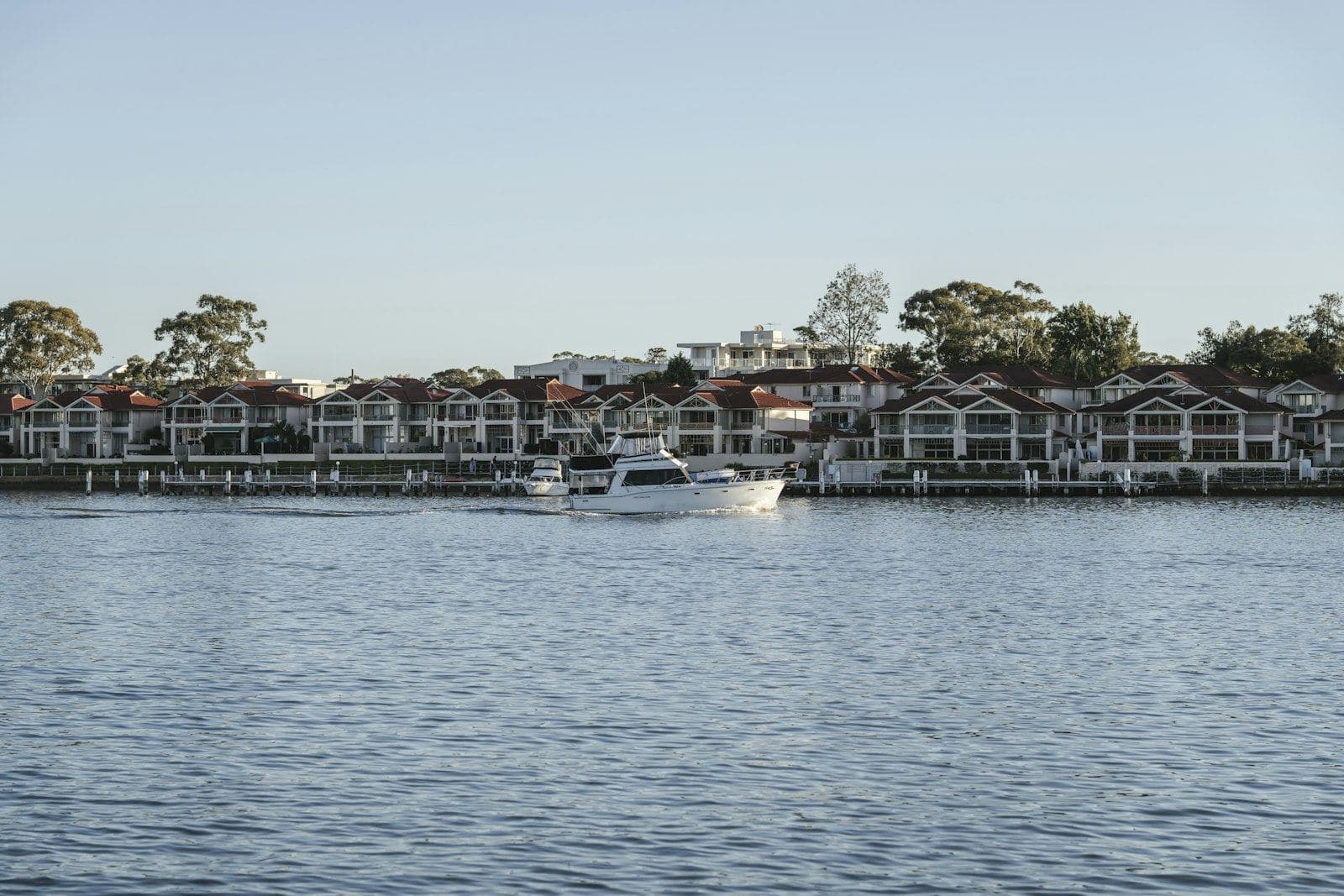
Photo: Leigh on Unsplash
The Reserve Bank has lifted the cash rate target to 4.85 per cent, a 25 basis point increase announced after the Monetary Policy Board met on 2 and 3 November. It is the highest the cash rate has been since 2008 and the fifth rise this year, taking the cumulative tightening in 2026 to 1.25 percentage points from the 3.60 per cent level at which the year began.
The decision was not unanimous. The Board's statement recorded that six members voted for the increase while three preferred to leave the rate unchanged at 4.60 per cent, the clearest sign yet of a split over how much further policy needs to move.
What tipped the decision
The immediate trigger was the September-quarter Consumer Price Index, released on 28 October, which showed headline inflation accelerating to 4.3 per cent over the year, up from 4.0 per cent in August. The trimmed mean, the Board's preferred underlying measure, held at 3.6 per cent, still above the 2 to 3 per cent target band. Housing was again the largest single contributor, rising 5.2 per cent over the year, with transport costs up 8.7 per cent.
In its statement the Board said inflation remains elevated and that recent data indicate price pressures are broadly based, with underlying inflation now expected to stay above 3 per cent for the coming year. It pointed to oil supply disruptions linked to conflict in the Middle East as maintaining upward pressure on global and domestic energy prices, compounding domestic capacity constraints.
A softer forward signal
For property owners, the most consequential change may be in tone rather than in the number itself. Unlike its September statement, the Board did not repeat an explicit willingness to tighten further, saying instead that it would be attentive to the data and to its evolving assessment of the outlook. Economists read the shift as the Board leaving the door open to a pause once it has more evidence that inflation is turning.
The number went up, but the language that usually promises more rises quietly came out.
The Board also acknowledged the toll on housing, noting that prices have fallen significantly and that higher interest rates, together with falls in values and turnover, are expected to weigh on dwelling investment. National home values have now declined for seven straight months on Cotality's measure.
What it means for buyers and owners
A further quarter-point lifts repayments on a typical variable mortgage within weeks and trims borrowing capacity at the margin, which is felt first by buyers stretching to the top of their budget. Owners on variable loans should expect lenders to pass the move through over the coming month. Those weighing a prestige purchase may find vendors more willing to negotiate as the cumulative effect of five rises this year filters through to confidence and finance approvals.
The next Board meeting is scheduled for December, and the following monthly inflation indicators will be watched closely for any sign that the tightening cycle has run its course.
Sources
- Statement by the Monetary Policy Board: Monetary Policy Decision (3 November 2026) — Reserve Bank of Australia
- Calendar of Monetary Policy Board meetings — Reserve Bank of Australia
- Consumer Price Index, Australia, September Quarter 2026 — Australian Bureau of Statistics
This article is general editorial commentary, not financial or property advice. Figures are drawn from the published sources above and were current at the time of writing.
More from the Prestige Series
All states National
Australia
New Home Lending Records Its Largest Quarterly Fall as Investors Retreat
The value of new housing loans dropped 15.5 per cent in the September quarter, the steepest fall since the series began in 2002, with investor borrowing leading the retreat as tax changes and higher rates reshape the market.
3 min read
 National
Australia
Fewer Listings, Slower Sales: The Market Slips Into a Deep Freeze
Cotality's November chart pack shows the downturn is now as much about activity as price, with sales volumes down more than 11 per cent, new listings scarce and homes taking longer to sell.
2 min read
 National
Australia
Dwelling Approvals Edge Higher as Apartments Offset Weaker House Building
Total dwelling approvals rose 5.1 per cent in September on a surge in unit and townhouse approvals, even as private house approvals fell for the month, ABS figures show.
2 min read