


New Home Lending Records Its Largest Quarterly Fall as Investors Retreat
The value of new housing loans dropped 15.5 per cent in the September quarter, the steepest fall since the series began in 2002, with investor borrowing leading the retreat as tax changes and higher rates reshape the market.
By Estate Guide Online Editorial3 min read
Photo: Leigh on Unsplash
New home lending fell sharply in the September quarter, according to Lending Indicators released by the Australian Bureau of Statistics on 11 November. The number of new housing loans dropped 15.0 per cent to 111,878, while the value of new lending fell 15.5 per cent to $81.2 billion, the largest quarterly fall since the series began in September 2002.
The decline reached across every category of borrower, but it was far from even. Where owner-occupiers eased back, investors pulled away, extending a shift that has been building through the year and that now stands out as the defining feature of the finance data.
The investor retreat
The number of new investor loans fell 30.6 per cent over the quarter to 35,301, and their value dropped 32.3 per cent to $24.7 billion, the largest falls on record for both measures. Through-the-year growth in investor loan numbers has swung from a 24.9 per cent gain in the December quarter of 2025 to a 38.5 per cent decline in the September quarter, a third consecutive quarterly fall.
The Bureau's head of finance statistics, Dr Mish Tan, said investor activity was being influenced by factors beyond borrowing costs, including tax changes and lower expectations for price growth. That assessment points past interest rates alone to the policy settings now shaping how investors weigh a purchase.
Owner-occupiers eased back; investors pulled away. The gap between the two is the story in the numbers.
Owner-occupiers and first home buyers
Owner-occupier lending was more resilient, with the number of new loans down 5.3 per cent on the quarter and 9.8 per cent lower than a year earlier. The quarterly fall was driven by Queensland, down 10.4 per cent, followed by Victoria at 6.6 per cent and New South Wales at 4.1 per cent. Loans to first home buyers fell 8.6 per cent over the quarter and 12.3 per cent over the year, though this group still accounts for more than a third of owner-occupier commitments.
The policy backdrop
Two forces frame the quarter. The first is the cost of money: the Reserve Bank lifted the cash rate to 4.85 per cent on 3 November, its fifth increase of the year, after a run of rises that has trimmed borrowing capacity across the board. The second is tax. Measures announced in the May 2026 federal budget, due to take effect from 1 July 2027, will limit negative gearing on residential property to new builds and replace the 50 per cent capital gains tax discount with an inflation-based discount and a minimum rate on net gains. The stated intent is to steer investor capital towards new supply and ease competition for first home buyers.
For investors deciding whether to transact now, the combination of dearer finance, softer price expectations and a changing tax treatment has plainly weighed on appetite. The September quarter is the clearest sign yet of how those signals are translating into behaviour.
What it means for buyers and owners
Thinner investor demand reshapes the field, particularly at the more affordable end where investors and first home buyers often compete for the same stock. Buyers with finance approved and a clear view of value may find less competition and more room to negotiate. In Sydney's prestige segment, where purchases are less reliant on gearing, the direct effect is smaller, but the broader cooling in confidence and credit still rewards well-presented homes priced to today's market rather than to the levels of early in the year.
Sources
- Lending Indicators, Australia, September Quarter 2026 — Australian Bureau of Statistics
- Budget 2026-27 tax system changes — Australian Treasury
- Statement by the Monetary Policy Board: Monetary Policy Decision (3 November 2026) — Reserve Bank of Australia
This article is general editorial commentary, not financial or property advice. Figures are drawn from the published sources above and were current at the time of writing.
More from the Prestige Series
All states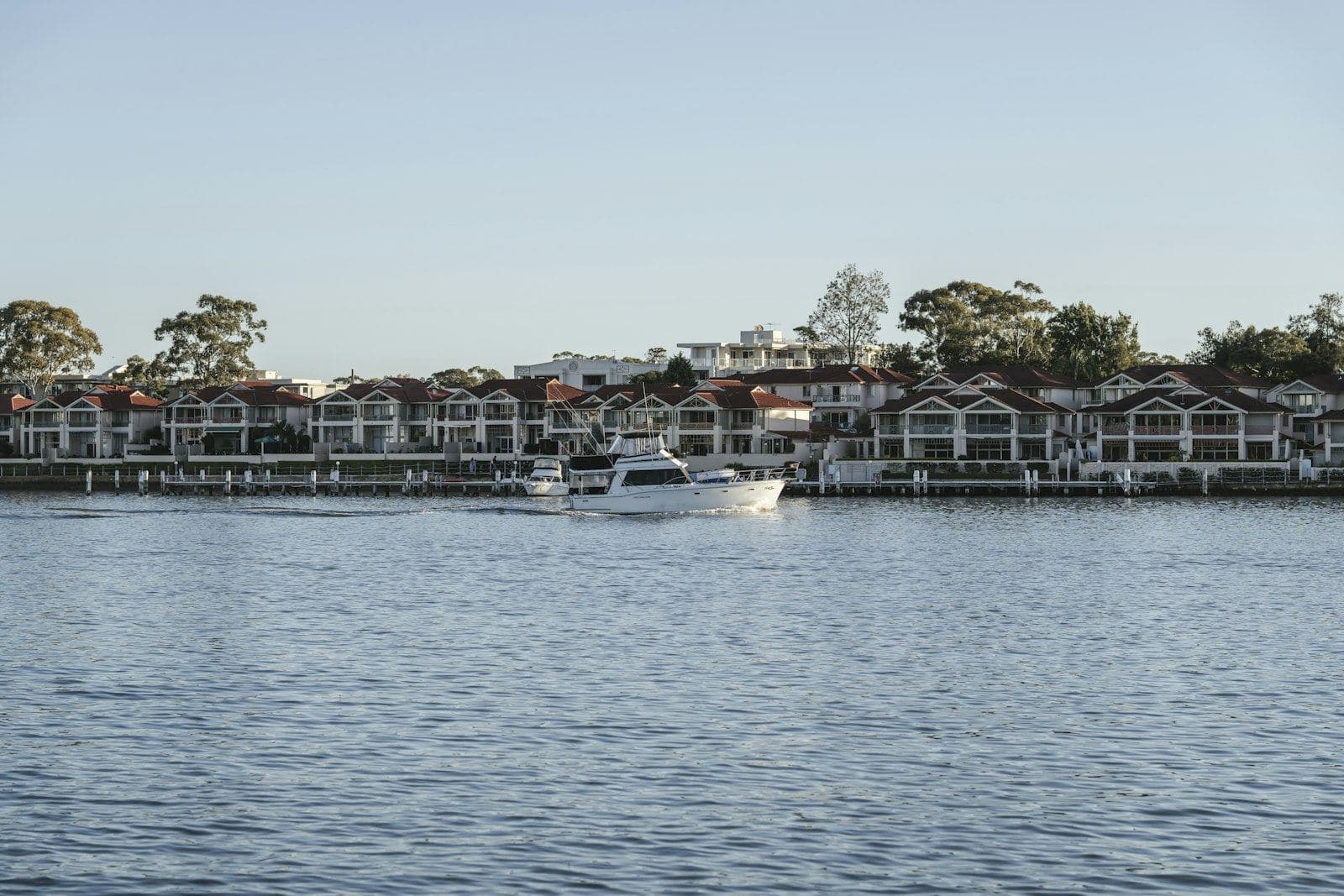 National
Australia
Fewer Listings, Slower Sales: The Market Slips Into a Deep Freeze
Cotality's November chart pack shows the downturn is now as much about activity as price, with sales volumes down more than 11 per cent, new listings scarce and homes taking longer to sell.
2 min read
 National
Australia
Dwelling Approvals Edge Higher as Apartments Offset Weaker House Building
Total dwelling approvals rose 5.1 per cent in September on a surge in unit and townhouse approvals, even as private house approvals fell for the month, ABS figures show.
2 min read
 National
Australia
Home Values Fall a Seventh Month as Brisbane and Perth Lead the Slide
Cotality's national index dropped 1.2 per cent in October, its largest single-month fall of the year, leaving dwelling values 6.7 per cent below their March peak as the correction broadens beyond Sydney.
2 min read