

Dwelling Approvals Edge Higher as Apartments Offset Weaker House Building
Total dwelling approvals rose 5.1 per cent in September on a surge in unit and townhouse approvals, even as private house approvals fell for the month, ABS figures show.
By Estate Guide Online Editorial2 min read
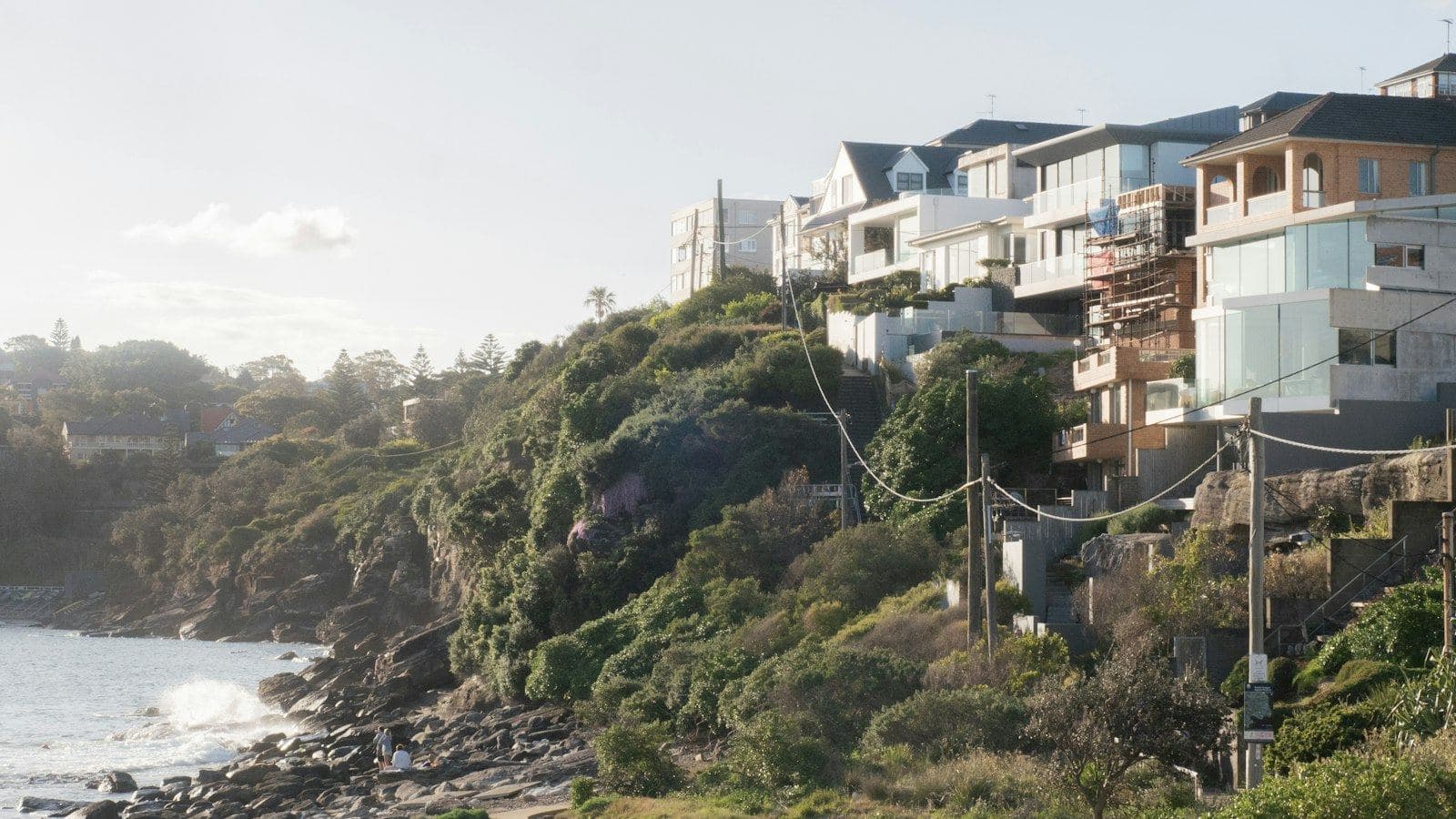
Photo: Andy Wang on Unsplash
The total number of dwellings approved rose 5.1 per cent in September to 17,948 in seasonally adjusted terms, the Australian Bureau of Statistics reported. The increase was driven entirely by higher-density housing, with approvals for private dwellings excluding houses, the category that captures apartments and townhouses, up 16.6 per cent after a sharp 21.7 per cent fall the month before.
Private house approvals went the other way, falling 5.3 per cent to 10,432. Daniel Rossi, the ABS head of construction statistics, said the rise in total dwellings was driven by the recovery in private dwellings excluding houses, underlining how dependent the headline number has become on a volatile apartment pipeline.
A two-speed pipeline
The month's figures capture a familiar pattern in the construction sector. Detached-house approvals, which tend to move more smoothly, have softened as higher interest rates and build costs weigh on new-home demand. Medium and high-density approvals, by contrast, arrive in lumps as individual projects clear planning, producing large monthly swings that can mask the underlying trend.
The value of total residential building approved eased 2.8 per cent over the month to $11.06 billion, a reminder that a rise in the count of approvals does not automatically translate into more work in the pipeline when the mix shifts towards smaller dwellings.
Approvals are the first step in a long chain; finance, labour and materials still have to follow.
Why it matters for the market
Building approvals are the earliest formal signal of future housing supply, and governments across Australia are leaning on higher-density construction to meet national housing targets. A lift in apartment and townhouse approvals is, in that sense, welcome. But approvals are only the start: projects still have to secure finance, labour and materials and reach completion, a process that has lengthened in recent years.
For the established prestige market the direct effect is modest, since the premium end turns on scarcity of land and position rather than on new supply. The broader signal matters, though. A steadier flow of new homes over coming years would ease some of the pressure that has kept rents elevated and stretched affordability, shaping the conditions in which the whole market operates.
Sources
- Total dwelling approvals rise 5.1% in September (Building Approvals, Australia) — Australian Bureau of Statistics
This article is general editorial commentary, not financial or property advice. Figures are drawn from the published sources above and were current at the time of writing.
More from the Prestige Series
All states National
Australia
New Home Lending Records Its Largest Quarterly Fall as Investors Retreat
The value of new housing loans dropped 15.5 per cent in the September quarter, the steepest fall since the series began in 2002, with investor borrowing leading the retreat as tax changes and higher rates reshape the market.
3 min read
 National
Australia
Fewer Listings, Slower Sales: The Market Slips Into a Deep Freeze
Cotality's November chart pack shows the downturn is now as much about activity as price, with sales volumes down more than 11 per cent, new listings scarce and homes taking longer to sell.
2 min read
 National
Australia
Home Values Fall a Seventh Month as Brisbane and Perth Lead the Slide
Cotality's national index dropped 1.2 per cent in October, its largest single-month fall of the year, leaving dwelling values 6.7 per cent below their March peak as the correction broadens beyond Sydney.
2 min read