

Rental Vacancy Climbs to 2.0% as Yields Reach Their Highest Since 2019
The rental market is easing from record tightness. National vacancy rose to 2.0 per cent in September, rent growth slowed to its smallest monthly rise since May 2025, and gross yields lifted to 3.85 per cent.
By Estate Guide Online Editorial1 min read
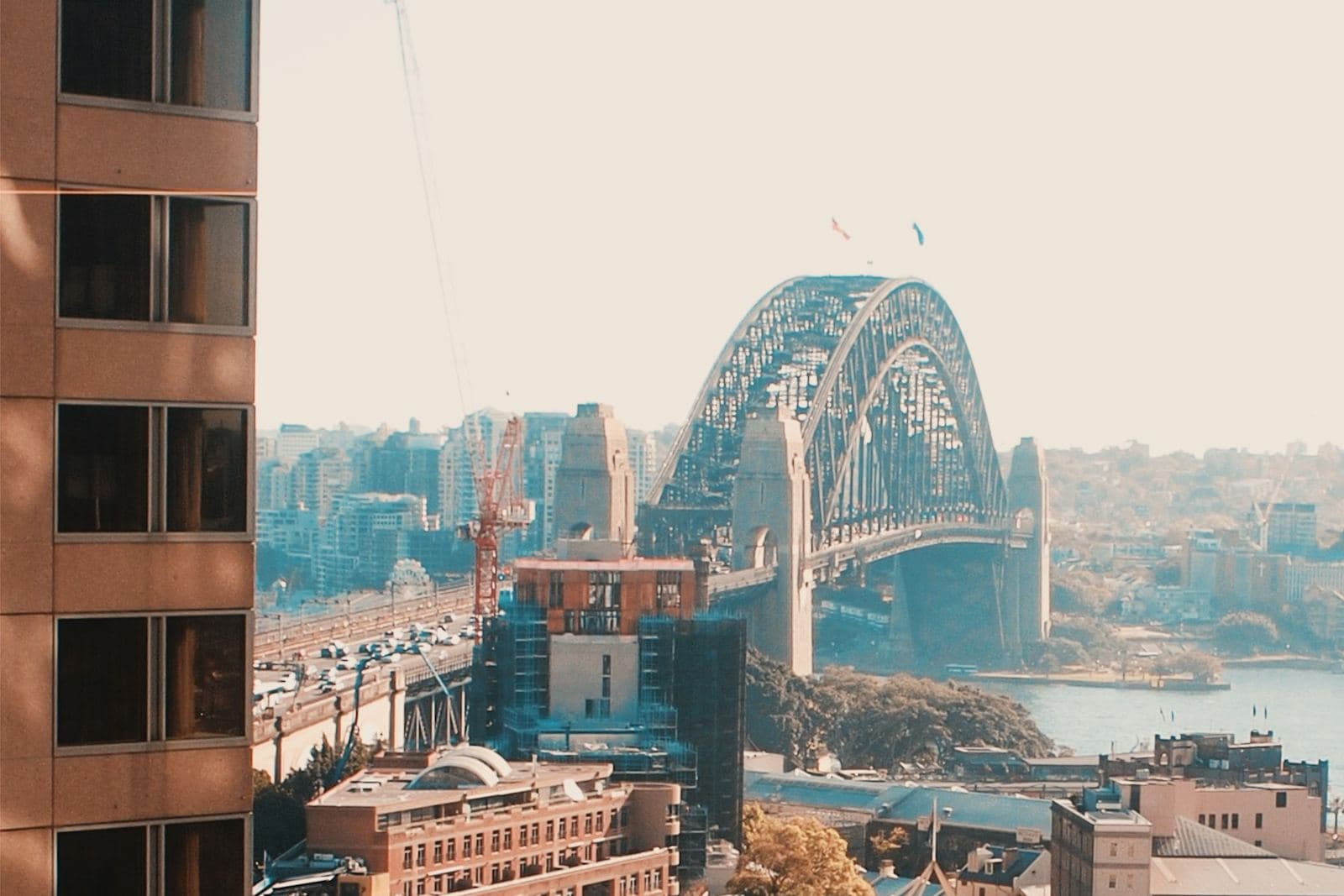
Photo: Matthew de Livera on Unsplash
After years of record-tight conditions, Australia's rental market is showing signs of easing. Cotality's October Home Value Index reports that the national rental vacancy rate reached 2.0 per cent in September, up from a record low of 1.5 per cent in February 2026 and the highest since January 2025. It remains well below the pre-COVID decade average of 3.3 per cent.
Where vacancy is rising
Hobart has the highest capital-city vacancy rate at 3.0 per cent, followed by Sydney at 2.3 per cent and Brisbane and Perth at 2.1 per cent. Adelaide remains the tightest capital, with a vacancy rate of just 1.4 per cent.
Cotality notes the rise in vacancy has occurred despite a sharp pullback in investor activity. It suggests renters are forming larger households to cope with stretched affordability, after weekly rents rose by about $200 nationally over the past five years.
For tenants, a little more choice. For landlords, presentation and realistic pricing matter again.
Rents still rising, but more slowly
Rents are still climbing, but at a slower pace. National rents rose 0.3 per cent in September in seasonally adjusted terms, the smallest monthly rise since May 2025, taking annual growth to 5.5 per cent.
With rents rising while values fall, gross rental yields are recovering. The national gross yield rose to 3.85 per cent, the highest since August 2019. Across the capitals, yields range from 3.4 per cent in Sydney to 6.5 per cent in Darwin. Cotality cautions that neutral or positive cash flow remains hard to achieve, given high holding costs including interest, insurance, maintenance and strata levies.
What it means for owners
For landlords, a modestly softer market rewards well-presented homes, responsive management and rents set to current evidence rather than last year's peak. Shorter vacancies between tenancies often matter more to annual returns than the last $10 a week. For tenants, more listings and slightly longer advertising periods mean more room to compare.
Sources
This article is general editorial commentary, not financial or property advice. Figures are drawn from the published sources above and were current at the time of writing.
More from the Prestige Series
All states National
Australia
Home Values Fall for a Sixth Straight Month as Sydney Leads the Correction
Cotality's national index slipped 1.1 per cent in September, leaving values 5.2 per cent below their March peak. Sydney is now 8.6 per cent off its high, and homes are taking far longer to sell.
2 min read
 National
Australia
All Eyes on 3 November: What the Next RBA Decision Means for Property
After four rate rises this year took the cash rate to 4.60 per cent, the Reserve Bank meets again on 2 and 3 November. September-quarter inflation figures, due on 28 October, will shape the outcome.
2 min read
 National
Australia
Australia’s Prestige Property Market in 2026
After a record 2025, the top of the market has entered a more measured phase. Scarcity still sets the price of the finest addresses, but rates, tax reform and a broader downturn are testing buyers' resolve.
5 min read