

Perth's Rental Vacancy Rate Reaches 2.5 Per Cent, a Five-Year High
A year after vacancies sat at 0.4 per cent, REIWA's March 2025 figures put Perth at the edge of what it considers a balanced rental market, as investor-built homes in the outer suburbs added supply.
By Estate Guide Online Editorial2 min read
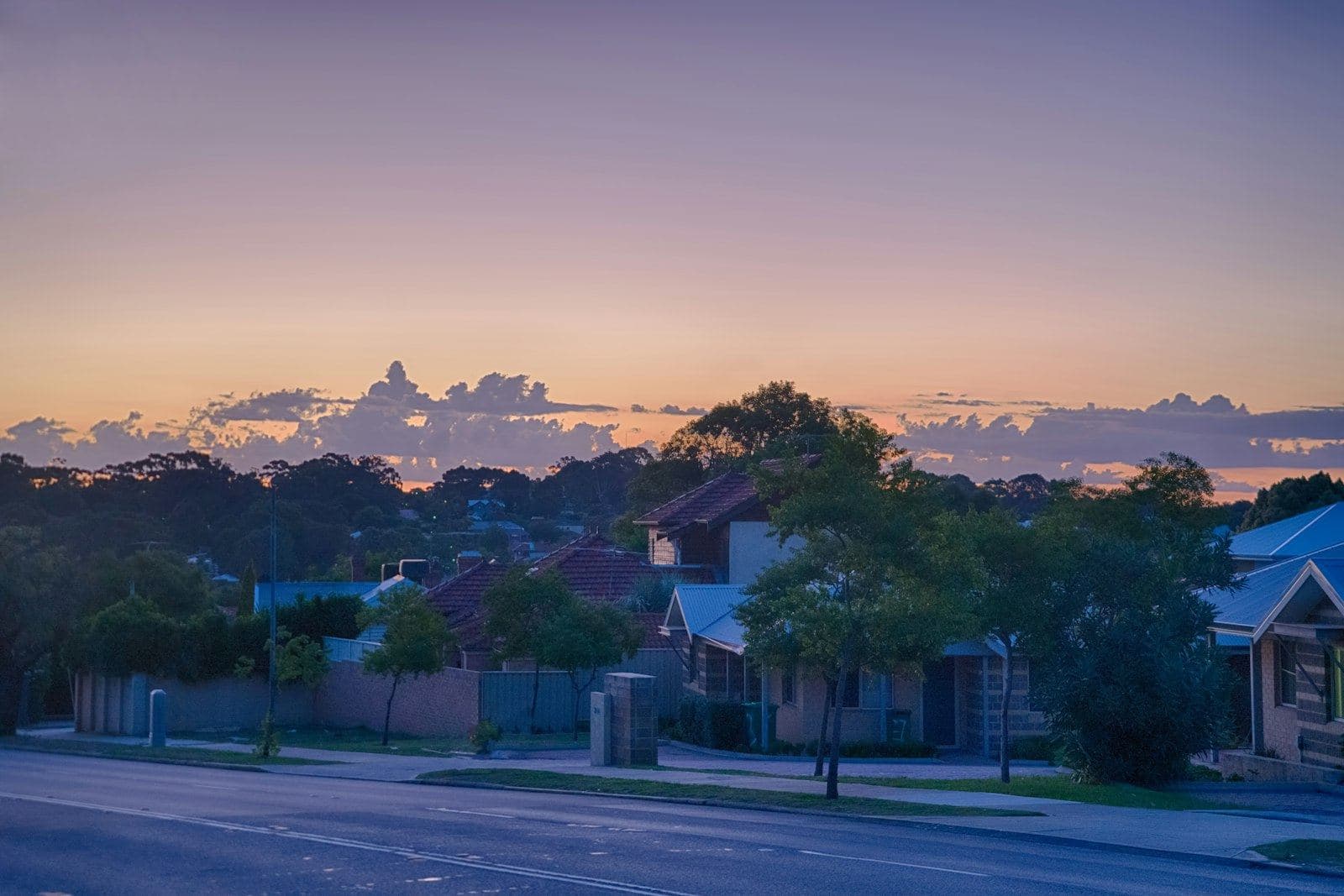
Photo: Steve Doig on Unsplash
Perth's rental market reached a turning point in early 2025. The Real Estate Institute of Western Australia reported on 17 April that the city's rental vacancy rate rose to 2.5 per cent in March, up from 2.3 per cent in February. It was the first time the rate had been that high since September 2019.
REIWA considers a balanced market to have a vacancy rate between 2.5 and 3.5 per cent, so Perth had, on paper at least, moved into balanced territory for the first time in more than five years.
From crisis to balance
The shift was rapid. A year earlier, the vacancy rate was just 0.4 per cent, and 95.2 per cent of Perth suburbs had recorded an increase in their median weekly house rent, with 40 per cent posting growth of more than 20 per cent. By March 2025, the share of suburbs with rising house rents had fallen to 79.7 per cent, and rent growth had slowed significantly in many areas.
The milestone had been building for months. In February, REIWA reported that the vacancy rate had reached 2 per cent in January, the first time since June 2020. REIWA chief executive Cath Hart said demand had been self-moderating, with larger tenant households, more people choosing to buy, and some renters staying in or returning to the family home.
In 12 months, Perth's vacancy rate rose from 0.4 per cent to 2.5 per cent.
Where the supply came from
REIWA President Suzanne Brown pointed to a strong increase in rental supply in outer areas such as Baldivis, Eglinton, Alkimos, Brabham and Yanchep, where investors had bought house and land packages. Completed investor new builds were also coming onto the market, and some tenants had moved out of rentals into their own newly finished homes.
Brown stressed that the citywide figure masked big differences. In suburbs close to the CBD or key lifestyle attractions, vacancy remained under 1 per cent and property managers were still seeing large crowds at home opens and multiple applications. In some outer suburbs with many new investor-owned homes, vacancy was above 3 per cent, homes took longer to lease and some investors had to lower their asking rent.
Not the end of the pressure
Brown cautioned that reaching 2.5 per cent did not mean the challenges of recent years would disappear. WA's population was still growing strongly, if more slowly than before, and the estimated number of rentals remained about 5 per cent below its February 2021 peak. She expected some further rent increases in the months ahead.
For tenants, the practical result was more choice and some negotiating power, but mostly in the areas where new supply had landed rather than in the inner suburbs where many wanted to live.
Sources
- Perth's vacancy rate reaches 2.5 per cent in March — REIWA
- Perth's vacancy rate rises to two per cent — REIWA
This article is general editorial commentary, not financial or property advice. Figures are drawn from the published sources above and were current at the time of writing.
More from the Prestige Series
All states WA
Western Australia
Western Australia’s Prestige Market: The Western Suburbs Come of Age
Three years of double-digit growth have turned Perth’s riverside and coastal enclaves into a genuine national prestige market. Thirty-one suburbs now have a median house price of $2 million or more, and in September a Cottesloe home set the year’s benchmark.
4 min read
 WA
Western Australia
WA Budget Lifts First Home Buyer Duty-Free Threshold to $600,000
The 2026-27 State Budget delivered a $297 million housing tax package, raising first home buyer stamp duty thresholds by $100,000. REIWA welcomed the move but warned that few Perth homes now sell below the new limit.
2 min read
 WA
Western Australia
Perth Ends 2025 With Record House and Unit Sale Prices
REIWA’s annual settled-sales measure reached $850,000 for houses and $600,000 for units in December 2025, with units recording the faster annual increase.
1 min read