


Melbourne Ends 2024 as the Only Big Capital Going Backwards
CoreLogic's year-end figures showed Melbourne home values down 3 per cent over 2024 while Perth, Adelaide and Brisbane posted double-digit gains, leaving Victoria's capital among the cheaper cities in the country.
By Estate Guide Online Editorial2 min read
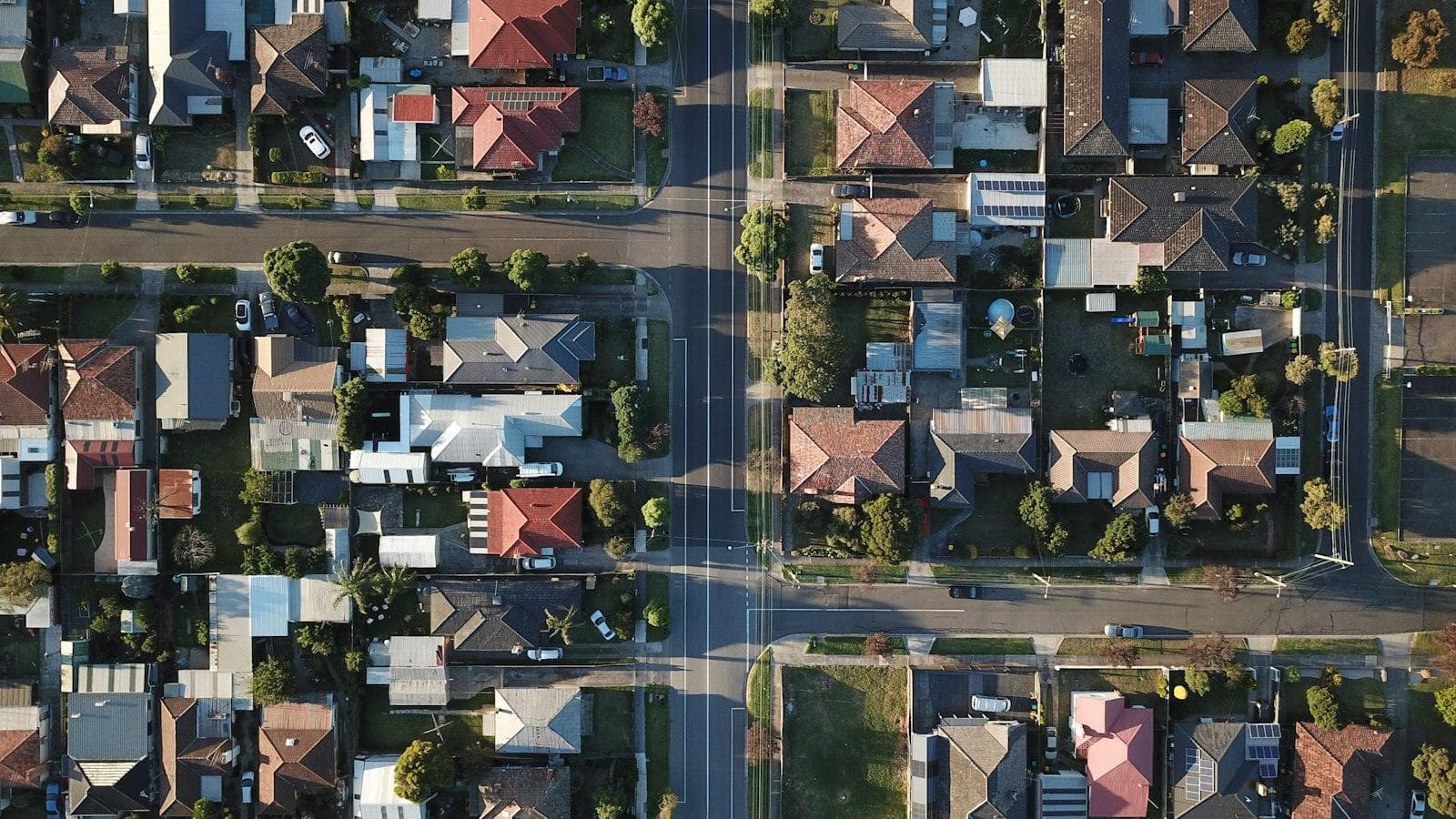
Photo: Urlaubstracker on Unsplash
Melbourne closed 2024 as the weakest of Australia's large housing markets. CoreLogic's Home Value Index, released on 2 January 2025, showed Melbourne dwelling values fell 3 per cent over the calendar year, at a time when values across the country rose 4.9 per cent, adding about $38,000 to the national median.
Only two other capitals recorded annual declines: Hobart, down 0.6 per cent, and Canberra, down 0.4 per cent. At the other end of the table, Perth surged 19.1 per cent, Adelaide 13.1 per cent and Brisbane 11.2 per cent.
A soft finish nationally
December also brought the first national monthly decline in almost two years, with values slipping 0.1 per cent and ending a run of growth that began in February 2023. CoreLogic's Tim Lawless said the result set the scene for a soft start to 2025, with affordability constraints and high interest rates limiting how much buyers could borrow.
The Reserve Bank had kept the cash rate at 4.35 per cent throughout 2024. According to CoreLogic, growth slowed from 4.1 per cent in the first half of the year to 0.7 per cent in the second half, and five capitals recorded falls between July and December.
In a year when the nation added $38,000 to the typical home's value, Melbourne went the other way.
Why Melbourne lagged
Several pressures converged on Victoria. Investors had been leaving the market, with commentators pointing to higher land taxes and new rental compliance requirements. The ABC reported that the exodus was creating openings for first home buyers, who were taking an unusually high share of activity in the state.
The ABC noted that after a year of falls, Melbourne had become the third cheapest capital in the country on CoreLogic's measure, a striking shift for a city long counted among the country's most expensive.
The view into 2025
Lawless predicted a multi-speed market in 2025, with rate cuts expected to provide a confidence boost and lift borrowing capacity, enough to keep a floor under prices if not to spark a major new growth cycle. At the time, many economists expected the Reserve Bank to begin cutting in February or May.
Rental markets were cooling too. CoreLogic's national rental index rose just 0.1 per cent in December and 4.8 per cent over 2024, a marked slowdown from the pace of the previous years.
For buyers, Melbourne entered 2025 offering something rare among Australia's capitals: choice and room to negotiate. For sellers, the message from agents was that pricing had to meet the market.
Sources
- Hedonic Home Value Index, 2 January 2025 — CoreLogic (now Cotality)
- National property prices drop for first time in almost two years, CoreLogic data shows — ABC News
- CoreLogic records first drop in home values in almost 2 years — Real Estate Business
- CoreLogic Home Value Index (HVI), 2 January 2025 report — The Expatriate
This article is general editorial commentary, not financial or property advice. Figures are drawn from the published sources above and were current at the time of writing.
More from the Prestige Series
All states VIC
Victoria
Victoria’s Prestige Property Market in 2026: Toorak’s Long Game
Melbourne's trophy estates and its broader upper-end market tell different stories. Agency commentary records a landmark Toorak sale, while independent market indices show a wider correction.
4 min read
 VIC
Victoria
Melbourne House Median Reaches $973,500 as Units Gain Faster
REIV’s December quarter 2025 results show a fourth quarter of growth across major market segments, with Melbourne units and apartments rising 2.0 per cent to $656,500.
1 min read
 VIC
Victoria
Victoria Lost More Than 24,000 Rentals in 2024 as Investors Sold
Bond data showed Victoria's rental stock shrank by 3.6 per cent in a single year. First home buyers accounted for a larger share of lending, while statewide rent growth slowed in the year to April 2025.
2 min read