

Victoria Lost More Than 24,000 Rentals in 2024 as Investors Sold
Bond data showed Victoria's rental stock shrank by 3.6 per cent in a single year. First home buyers accounted for a larger share of lending, while statewide rent growth slowed in the year to April 2025.
By Estate Guide Online Editorial2 min read
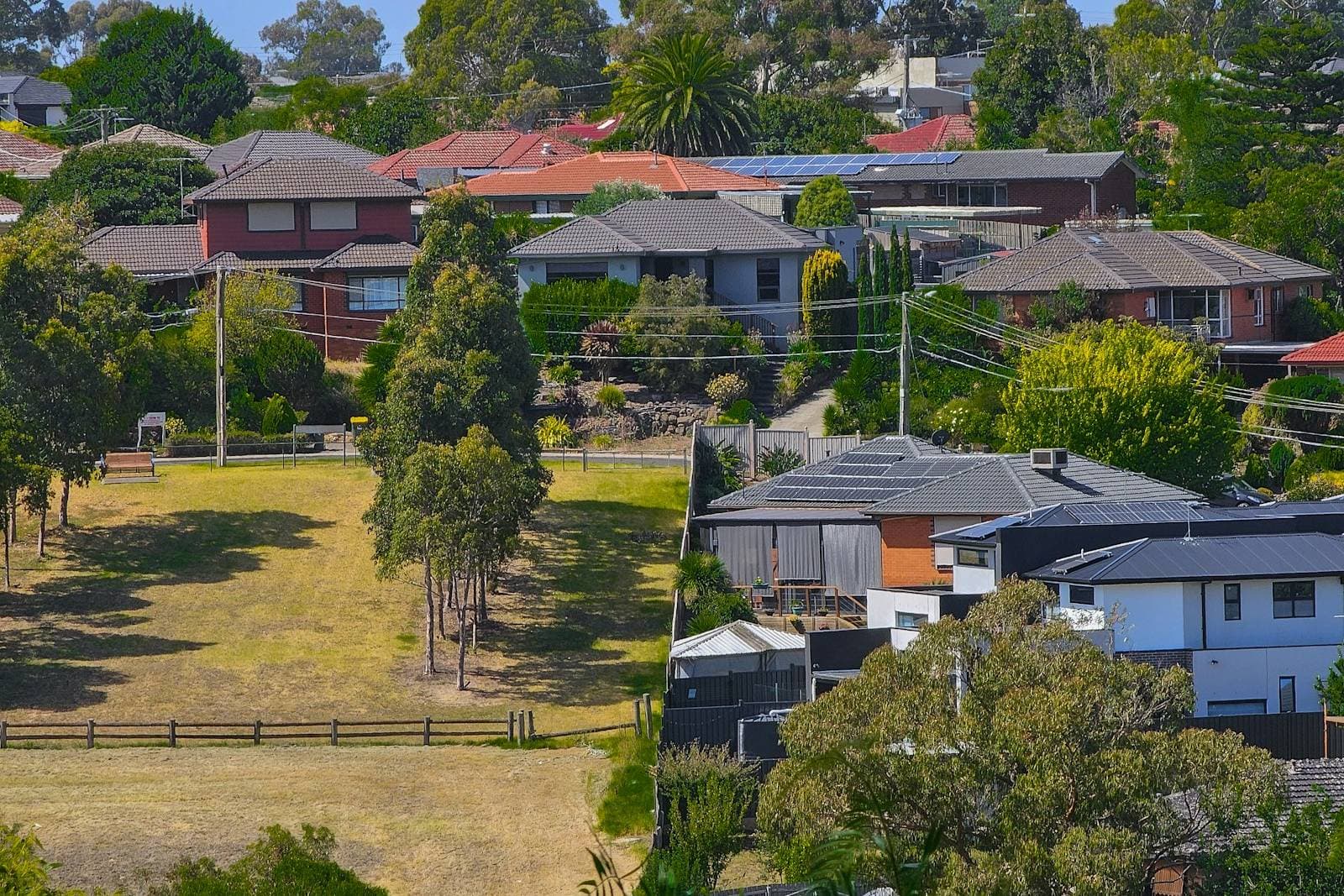
Photo: Linh Pham on Unsplash
Victoria's investor sell-off gathered pace through 2024. Analysis published by the ABC in May 2025 showed the number of active rental bonds, a proxy for the number of rental properties in the market, fell from 674,462 in December 2023 to 649,978 in December 2024.
That is more than 24,000 fewer rentals, or 3.6 per cent of the state's entire rental stock, lost in a single year. Rental bond numbers had begun falling in mid-2023, and since then Victoria had lost more than 27,800 rentals in total, according to Department of Families, Fairness and Housing data cited by the ABC.
Why investors left
Property Investment Professionals of Australia director Cate Bakos told the ABC that the biggest driver was increased compliance, including requirements to certify gas and electrical systems every two years, which left investors feeling they had lost control of their asset. Interest rates were the second biggest factor and higher land taxes for investors the third.
The decline was faster in metropolitan areas, where rental stock fell just over 4 per cent in 2024, compared with 1.4 per cent in regional Victoria. Not every lost rental was a sale: one mortgage broker cautioned that falling bond numbers show investment properties are not returning to the rental market, not necessarily that they have all been sold.
Fewer active rental bonds do not establish that every former rental was sold.
First home buyers step in
Buyers of former rentals appear to have benefited. Cotality research director Tim Lawless said ABS data showed first home buyers made up 28.9 per cent of lending volume in Victoria in the December quarter of 2024, a higher share than in any other state or territory.
That followed a weak year for Melbourne prices. CoreLogic data showed Melbourne dwelling values fell 3 per cent over 2024, while other capitals recorded strong gains, improving the city's relative affordability.
Rents steady, not soaring
Despite warnings that a shrinking rental pool would push rents higher, Cotality data showed rents rose just 2.5 per cent statewide in the year to April 2025, well below the 8.6 per cent increase of the previous year. Lawless said the fall in bonds appeared to be happening alongside a fall in rental demand.
Will investors return?
Some advisers were already seeing interest pick up. Bakos said she had been busy with interstate investors and did not expect the sell-off to persist, as the prospect of capital growth after a long period of underperformance drew buyers back into the Victorian market.
Sources
- Year of investor sell-off benefits homebuyers but shrinks Victorian rental stock by 24,000 — ABC News
- National property prices drop for first time in almost two years, CoreLogic data shows — ABC News
This article is general editorial commentary, not financial or property advice. Figures are drawn from the published sources above and were current at the time of writing.
More from the Prestige Series
All states VIC
Victoria
Victoria’s Prestige Property Market in 2026: Toorak’s Long Game
Melbourne's trophy estates and its broader upper-end market tell different stories. Agency commentary records a landmark Toorak sale, while independent market indices show a wider correction.
4 min read
 VIC
Victoria
Melbourne House Median Reaches $973,500 as Units Gain Faster
REIV’s December quarter 2025 results show a fourth quarter of growth across major market segments, with Melbourne units and apartments rising 2.0 per cent to $656,500.
1 min read
 VIC
Victoria
Victoria Names 25 More Train and Tram Zones for Higher-Density Homes
The February 2025 announcement took Melbourne's activity centre program to 60 locations, with planning rules to allow taller housing around stations from Noble Park to Kew. The government says the reforms will lead to more than 300,000 new homes.
2 min read