

Brisbane Becomes Australia's Second Most Expensive Capital
CoreLogic's May 2024 figures put Brisbane's median dwelling value above Canberra and Melbourne for the first time since 1997, capping a pandemic-era run in which its values grew more than five times as fast as Melbourne's.
By Estate Guide Online Editorial2 min read
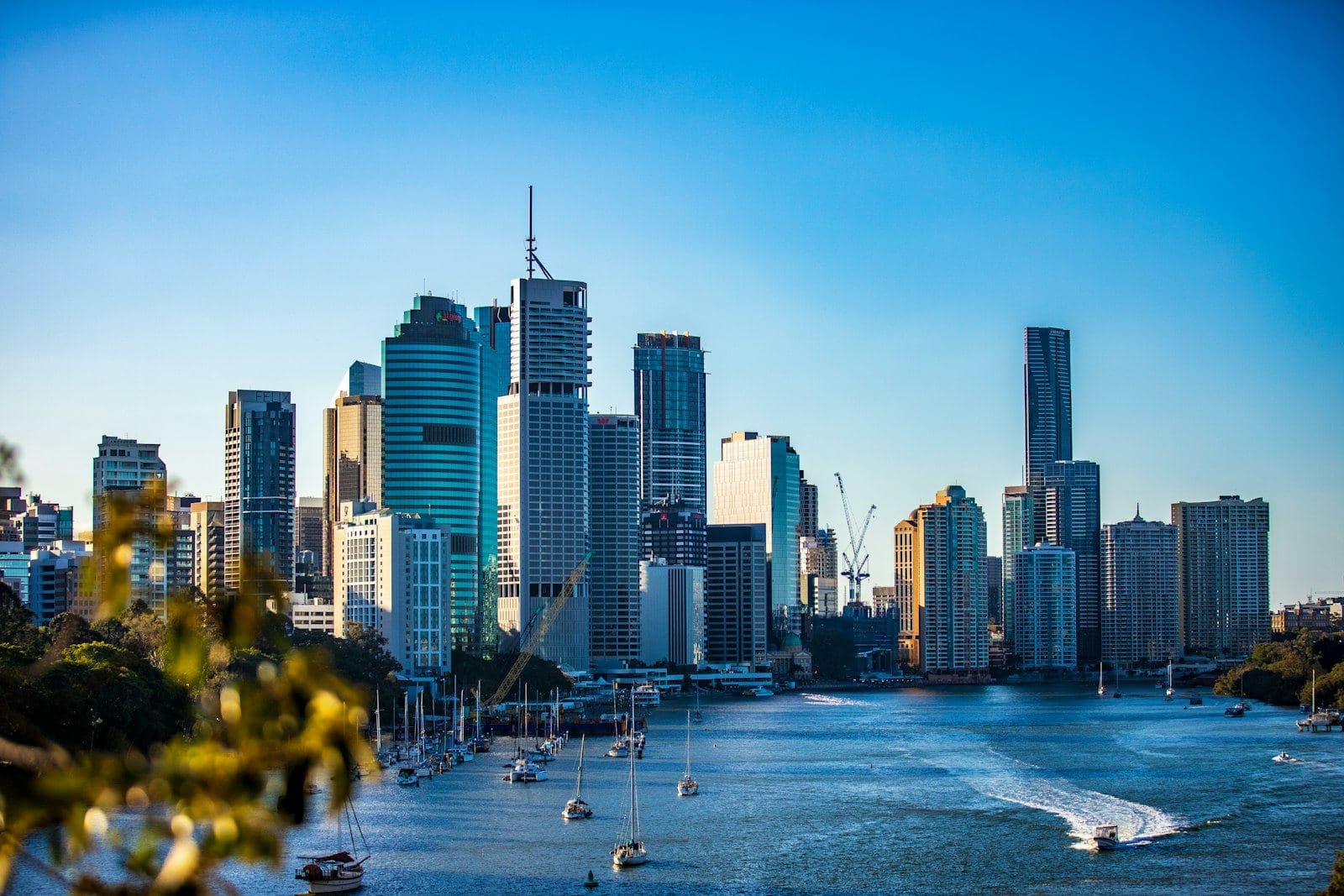
Photo: Brisbane Local Marketing on Unsplash
Brisbane passed a symbolic milestone at the start of June 2024. CoreLogic data released on 3 June showed the Queensland capital's median dwelling value, which combines houses and units, rose 1.4 per cent in May to $843,231, making it the second most expensive capital city in Australia after Sydney.
It was the first time since 1997 that Brisbane had recorded the second-highest median dwelling value. Canberra slipped to third, followed by Melbourne, Adelaide and Perth. Sydney remained well ahead, with a median of $1.15 million.
Houses and units both ahead of Melbourne
Brisbane's overall dwelling value had first overtaken Melbourne's in January 2024, a shift CoreLogic partly attributed to Melbourne's higher concentration of relatively cheap units and apartments. By May, the gap had widened to both property types.
Brisbane's median house value reached $937,479, just $190 more than Melbourne's, the first time since June 2008 that Brisbane house values had exceeded Melbourne's. Its median unit value of $615,429 was also $1,130 higher than Melbourne's.
Before the pandemic, Melbourne dwellings carried a premium of about 37 per cent over Brisbane. By mid-2024 it had gone.
Five times the growth
The reversal reflected years of divergent growth. CoreLogic figures showed Brisbane values had risen 59.8 per cent since the onset of COVID-19, compared with 11.2 per cent in Melbourne. Before the pandemic, Melbourne's median dwelling value was about 37 per cent higher than Brisbane's.
Nationally, dwelling values rose 0.8 per cent in May, the largest monthly increase since October 2023 and the 16th consecutive monthly rise, taking the national median to $785,556.
CoreLogic research director Tim Lawless said a mismatch between housing supply and demand was outweighing the downward pressure from high interest rates, high inflation and weak sentiment. Brisbane listings were 34 per cent below the five-year average, while Perth and Adelaide were more than 40 per cent below.
Nationally, CoreLogic estimated that the available supply of homes for sale was almost 2 per cent lower than a year earlier, while demonstrated demand was 2.8 per cent higher. Lawless said fresh listings in the mid-sized capitals were being absorbed rapidly, keeping stock levels low and putting upward pressure on prices despite worsening affordability for both buyers and renters.
The supply challenge
Lawless cautioned in 2024 that until more housing was built, Australians could expect further upward pressure on values and further erosion in affordability. He expected supply and demand to even out eventually, as population growth slowed and construction picked up.
Sources
This article is general editorial commentary, not financial or property advice. Figures are drawn from the published sources above and were current at the time of writing.
More from the Prestige Series
All states QLD
Queensland
Queensland’s Prestige Market: Riverfronts, Beachfronts and a $40 Million Benchmark
From Noosa Sound to New Farm and the Gold Coast’s Millionaires’ Row, Queensland has spent a decade closing the gap on Sydney and Melbourne. In 2026 it set a new state record, even as the wider market cooled.
4 min read
 QLD
Queensland
Maravilla’s Sunrise Beach Sale Confirmed at $27 Million
Tom Offermann Real Estate’s March 2026 market report confirms the settled price of the beachfront residence at 7/56 David Low Way, following its 2025 sale.
1 min read
 QLD
Queensland
Queensland's Rental Market Stuck in 'Gridlock' at 1 Per Cent Vacancy
The REIQ's September quarter 2025 report found 38 of 50 Queensland regions with vacancy rates of 1 per cent or less, as tenants renewed leases rather than risk the search for somewhere new.
2 min read