

Queensland's Rental Market Stuck in 'Gridlock' at 1 Per Cent Vacancy
The REIQ's September quarter 2025 report found 38 of 50 Queensland regions with vacancy rates of 1 per cent or less, as tenants renewed leases rather than risk the search for somewhere new.
By Estate Guide Online Editorial2 min read
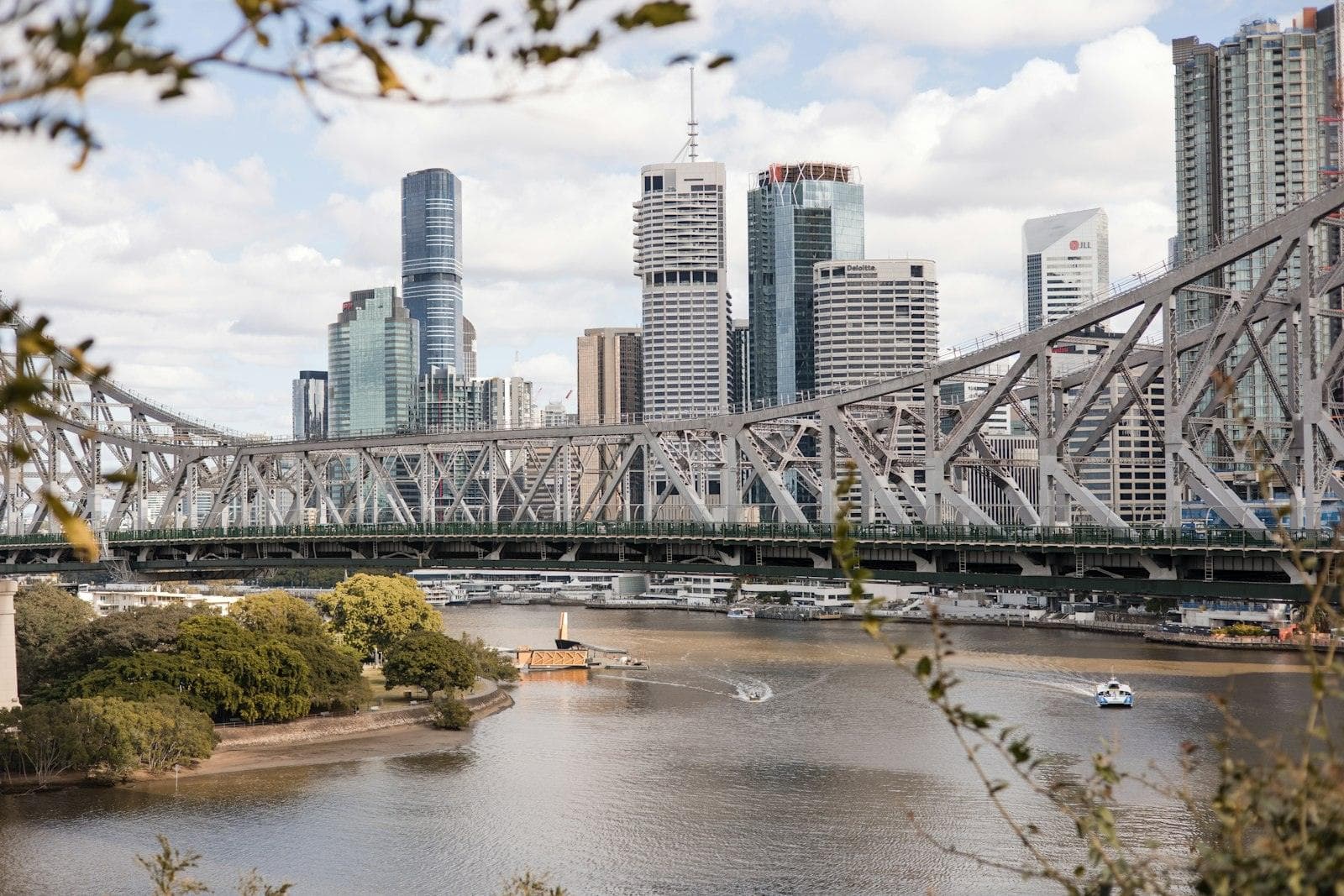
Photo: Josh Withers on Unsplash
Queensland's rental market showed no sign of loosening in late 2025. The Real Estate Institute of Queensland's September Quarter 2025 Residential Vacancy Rate Report, released in November, put the statewide vacancy rate at 1.0 per cent, unchanged and far below the 2.6 to 3.5 per cent range the institute regards as healthy.
Across the 50 local government areas and sub-regions covered, 38 recorded vacancy rates of 1.0 per cent or less. Over the quarter, 23 regions tightened, 15 were unchanged and 12 eased.
A traffic jam of renters
REIQ chief executive Antonia Mercorella likened the market to a traffic jam, with many people staying put because finding somewhere else to live was so difficult. She said the entrenched tightness had created a rental gridlock, in which tenants renewed leases not necessarily because they wanted to, but to avoid competing for a new home.
Residential Tenancies Authority data cited by the REIQ showed the median length of house tenancies rose to 21.1 months in 2024-25, from 20.8 months the year before, while unit tenancies held at about 18.2 months.
Longer tenancies can look like stability, but in a market this tight they often reflect a lack of choice.
Region by region
The tightest markets were in regional Queensland. Cook, in Far North Queensland, recorded a vacancy rate of 0 per cent, with Charters Towers and Goondiwindi at 0.1 per cent. Most major centres also sat deep in tight territory:
- Greater Brisbane 0.9 per cent and Brisbane LGA 1.1 per cent.
- Ipswich and Logan 0.8 per cent; Gold Coast 1.0 per cent.
- Toowoomba 0.5 per cent, Cairns 0.7 per cent and Townsville 0.8 per cent.
- Sunshine Coast 1.0 per cent; Noosa 1.9 per cent.
Only a handful of areas offered relief. Gladstone eased to 2.2 per cent, and the Bay Islands, at 4.0 per cent, and the mining region of Isaac, at 5.5 per cent, were the only markets the REIQ classified as weak.
Applicants queue up
On the ground, property managers described intense competition. An inner-Brisbane agent told the ABC that every property advertised drew five or six applicants and sometimes up to 20, while a Coomera property manager on the northern Gold Coast said a standard four-bedroom home listed at $700 a week received more than 70 applications.
Mercorella said conditions were unlikely to improve in the final quarter of the year and called for faster new building, encouragement of investment in private rentals, and support for build-to-rent and smaller dwelling formats to break the gridlock.
Sources
- Vacancy rate gridlock keeps Queensland at a standstill — Real Estate Institute of Queensland
- Rental vacancy rate stuck at 1 per cent in 'gridlocked' Queensland market — ABC News
This article is general editorial commentary, not financial or property advice. Figures are drawn from the published sources above and were current at the time of writing.
More from the Prestige Series
All states QLD
Queensland
Queensland’s Prestige Market: Riverfronts, Beachfronts and a $40 Million Benchmark
From Noosa Sound to New Farm and the Gold Coast’s Millionaires’ Row, Queensland has spent a decade closing the gap on Sydney and Melbourne. In 2026 it set a new state record, even as the wider market cooled.
4 min read
 QLD
Queensland
Maravilla’s Sunrise Beach Sale Confirmed at $27 Million
Tom Offermann Real Estate’s March 2026 market report confirms the settled price of the beachfront residence at 7/56 David Low Way, following its 2025 sale.
1 min read
 QLD
Queensland
Queensland Scraps Stamp Duty for First Home Buyers of New Homes
From 1 May 2025, eligible first home buyers in Queensland pay no transfer duty on a newly built home or vacant land to build on, with no cap on the property's value. More than 3,500 buyers had used the exemption a year later.
2 min read