

Tasmania’s Prestige Property Market in 2026: Heritage, Water and a Rare Top Tier
Tasmania recorded no $5 million sales last year. That says less about demand than about how rarely the island’s finest addresses change hands.
By Estate Guide Online Editorial4 min read
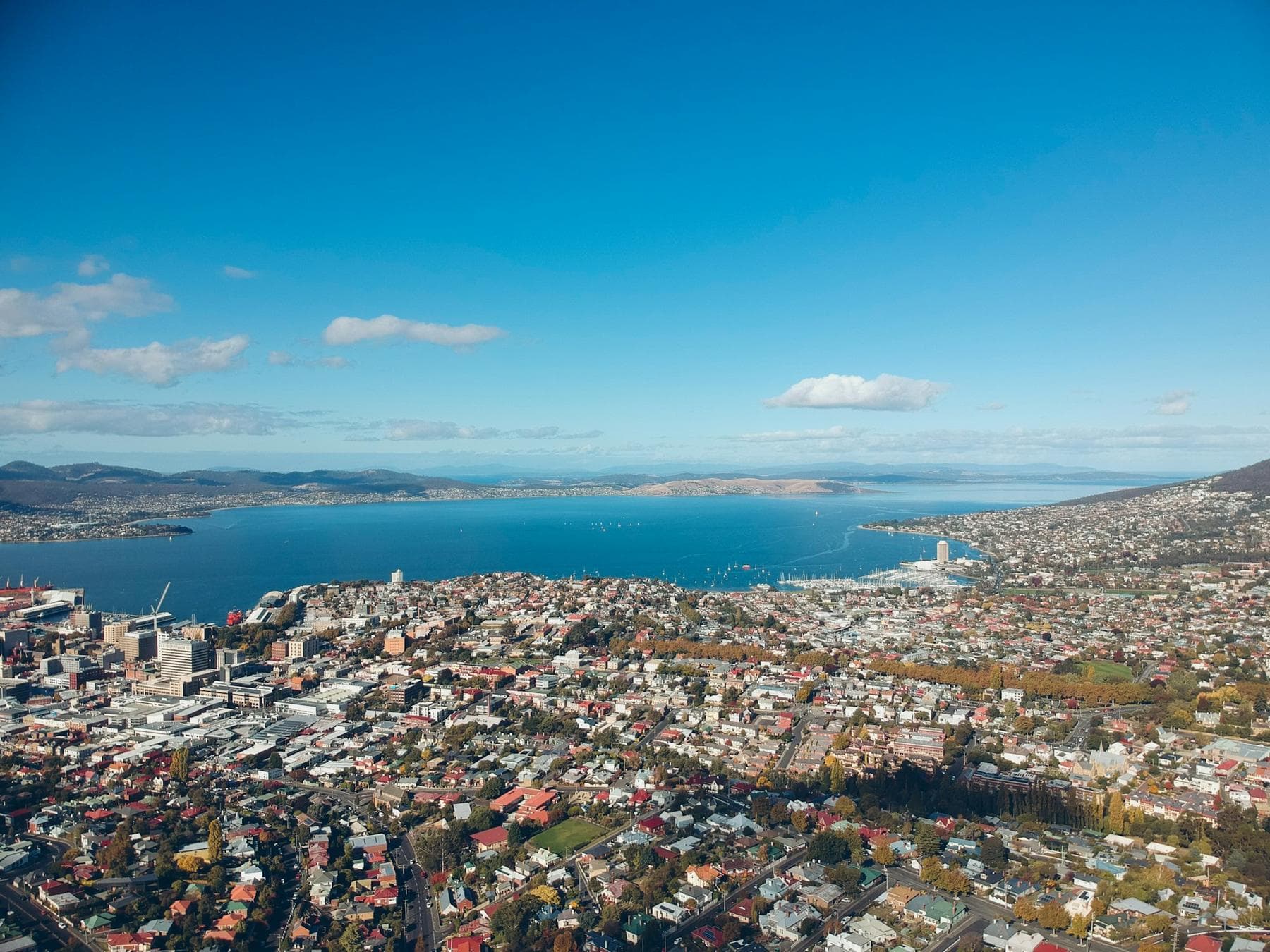
Photo: Spencer Chow on Unsplash on Unsplash
Tasmania does prestige differently. There is no harbour of trophy mansions here, no queue of eight-figure auctions. Instead there are Georgian and Victorian houses in Battery Point that have watched the Derwent for more than a century, waterfront estates on the eastern shore with kunanyi/Mount Wellington as a backdrop, and a small, discerning pool of buyers for whom the island’s light, heritage and pace of life are the ultimate luxury.
The numbers reflect that rarity. But 2026 has also brought something new: a Hobart housing market that has held its value better than almost any other capital through a difficult winter.
What prestige means in Tasmania
By the national benchmark used in Westpac Private’s 2026 Prestige Property Report, a sale of $5 million or more, Tasmania barely has a prestige market at all. Cotality data in the report shows the state recorded no transactions at that level in 2025, the second consecutive year without one. Between 2021 and 2023, 13 Tasmanian properties sold above $5 million, with the state’s record of six such sales set in 2021.
In Tasmania, prestige is measured in position and provenance, not in price alone.
Westpac Private identifies Sandy Bay, Battery Point and Launceston as locations with premium demand, while noting that limited stock and a shallow pool of transactions constrain the upper end. A statewide threshold is useful for comparison but cannot describe every local prestige market.
The addresses
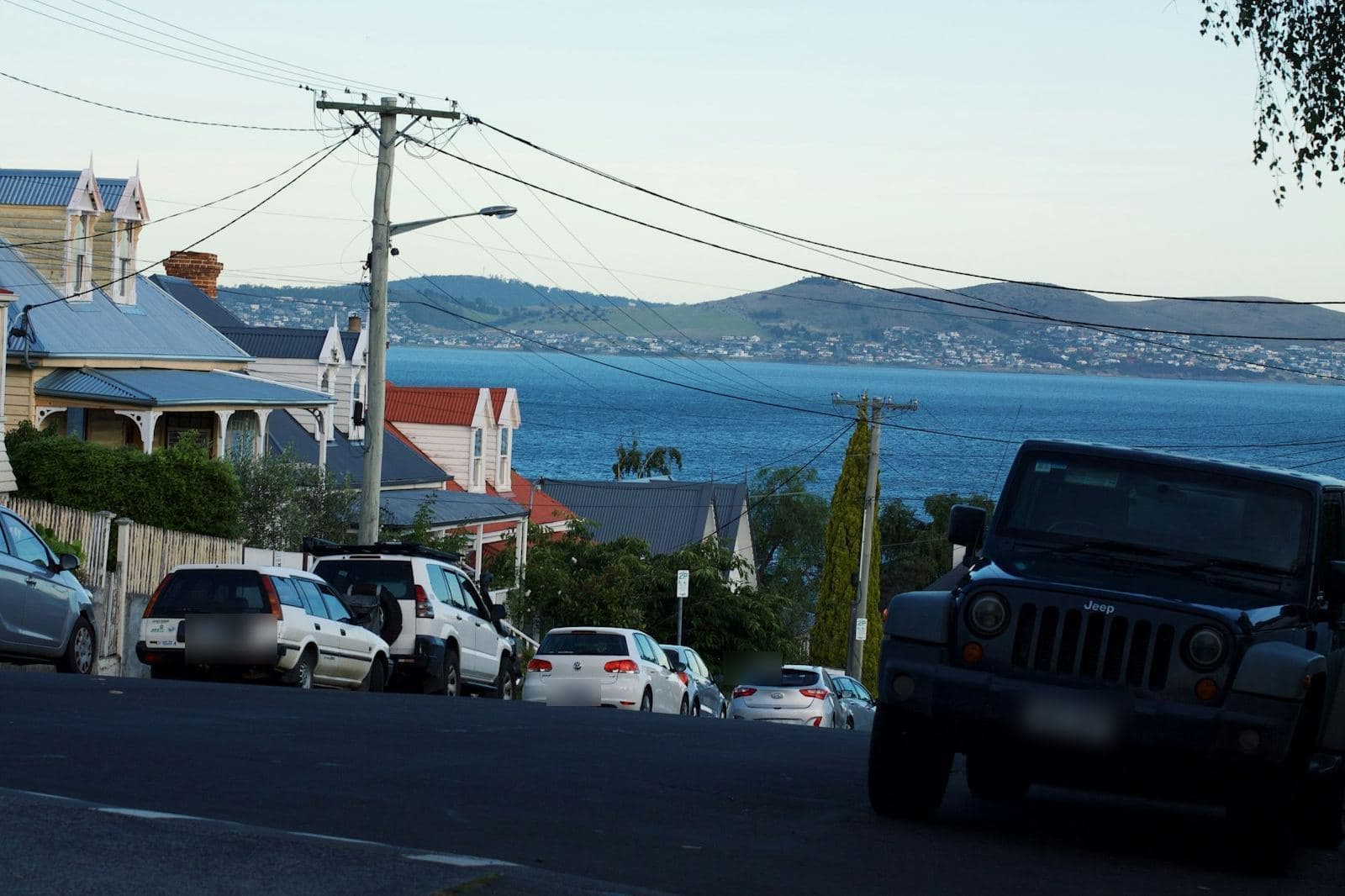
Battery Point, the historic maritime village on the slope above Salamanca Place, is the island’s most storied address, prized for its colonial cottages, grand Victorian residences and walkability to the waterfront. Neighbouring Sandy Bay stretches south along the Derwent, combining heritage homes, elevated river views and proximity to the University of Tasmania and leading schools.
Across the river, the eastern shore offers something the western side rarely can: large waterfront landholdings with views back to the city and the mountain. It was there, in Howrah, that the state’s suburban house record was set in 2022, when Domi Riviere, a five-bedroom waterfront home on more than 10,000 square metres beside Little Howrah Beach, sold for $8.533 million. In the north, Launceston provides the state’s second prestige market, centred on established heritage homes close to the city and the Tamar.
A record written off the plan
The most expensive residential purchase in Tasmanian history did not involve a historic home at all. In May 2025 a buyer secured the level-four penthouse at Salamanca Montpelier House, a yet-to-be-built development of 21 residences at Battery Point designed by Fender Katsalidis, for $9,482,630. The contract eclipsed the Howrah benchmark and, with more than half the apartments reported sold before construction began, signalled genuine depth in demand for new, architect-designed luxury living close to the waterfront.
As an off-the-plan contract, the result sits apart from settled-sale statistics such as Cotality’s count of $5 million-plus transactions. It is nonetheless a clear marker of where the top of the market now sits.
A resilient year for Hobart
Cotality’s Home Value Index tells a similar story. While national values fell 3.1% over the three months to August as the downturn broadened, Hobart dwelling values slipped just 0.2%, leaving them 8.1% higher than a year earlier, with a median dwelling value of $752,397. Values are now only 1.1% below the March 2022 peak. Regional Tasmania has been stronger still, up 12.7% over the year. Westpac Private notes, however, that much of Hobart’s recent growth has been concentrated in the lower quartile, supported by first home buyer incentives and investor activity, rather than at the prestige end.
Buyers and the rules that shape them
Tasmania’s top end is overwhelmingly a domestic market. Since 1 April 2020 the state has levied an 8% foreign investor duty surcharge on residential property, and since 1 July 2022 a 2% foreign investor land tax surcharge has applied to certain residential land acquired by foreign persons. Federally, foreign persons have been banned from buying established dwellings since 1 April 2025, and the 2026–27 federal Budget announced an extension of that ban to 30 June 2029.
The same Budget limited negative gearing on established dwellings bought after 12 May 2026 and will replace the 50% capital gains discount with an inflation-based approach from 1 July 2027. For investors, Hobart’s gross rental yield of 4.4%, among the highest of the capitals according to Cotality, partly offsets those changes. For owner-occupiers, who make up most of the prestige market, a principal residence remains exempt from capital gains tax.
What commands a premium
- Water: absolute Derwent frontage, private beach access and moorings.
- Outlook: uninterrupted views across the river to kunanyi/Mount Wellington or down the estuary.
- Heritage: original sandstone and Georgian or Victorian architecture in Battery Point and Sandy Bay.
- Land: substantial landholdings, particularly on the eastern shore, where blocks can exceed a hectare.
- Design pedigree: new residences by recognised architects, as the Montpelier penthouse demonstrated.
The outlook
The structural features of Tasmania’s prestige market are unlikely to change quickly. Supply at the top is scarce, holding periods are long, and the handful of truly exceptional homes that come to market each year will continue to set their own prices. Cotality’s warning that elevated interest rates and the possibility of further rate rises are constraining demand nationally applies here too, and Hobart’s winter softening suggests momentum is cooling.
Yet Hobart’s resilience through 2026 and the emergence of a $9 million-plus benchmark show that the island’s top end has matured. For buyers seeking heritage, water and a way of life that is increasingly hard to find in the mainland capitals, Tasmania offers a market where the best homes are rare and the competition, for now, is measured.
Sources
- Prestige Property Report Australia 2026 — Westpac Private (data: Cotality)
- Prestige Property Report Australia 2025 — Westpac Private (data: CoreLogic)
- Home Value Index, September 2026 (results to 31 August 2026) — Cotality
- Hobart man shatters property record with $9.4 million Salamanca penthouse — Pulse Tasmania, 14 May 2025
- Waterfront house in Howrah sells for $8.533 million, breaking Tasmanian real estate records — ABC News, 13 May 2022
- Foreign investor duty surcharge: rates of surcharge — State Revenue Office Tasmania
- Foreign Investor Land Tax Surcharge factsheet — State Revenue Office Tasmania
- Government breaks promise with restrictions to negative gearing and capital gains tax discount in federal budget — ABC News, 12 May 2026
- Banning foreign purchases of established dwellings — Australian Taxation Office
This article is general editorial commentary, not financial or property advice. Figures are drawn from the published sources above and were current at the time of writing.
More from the Prestige Series
All states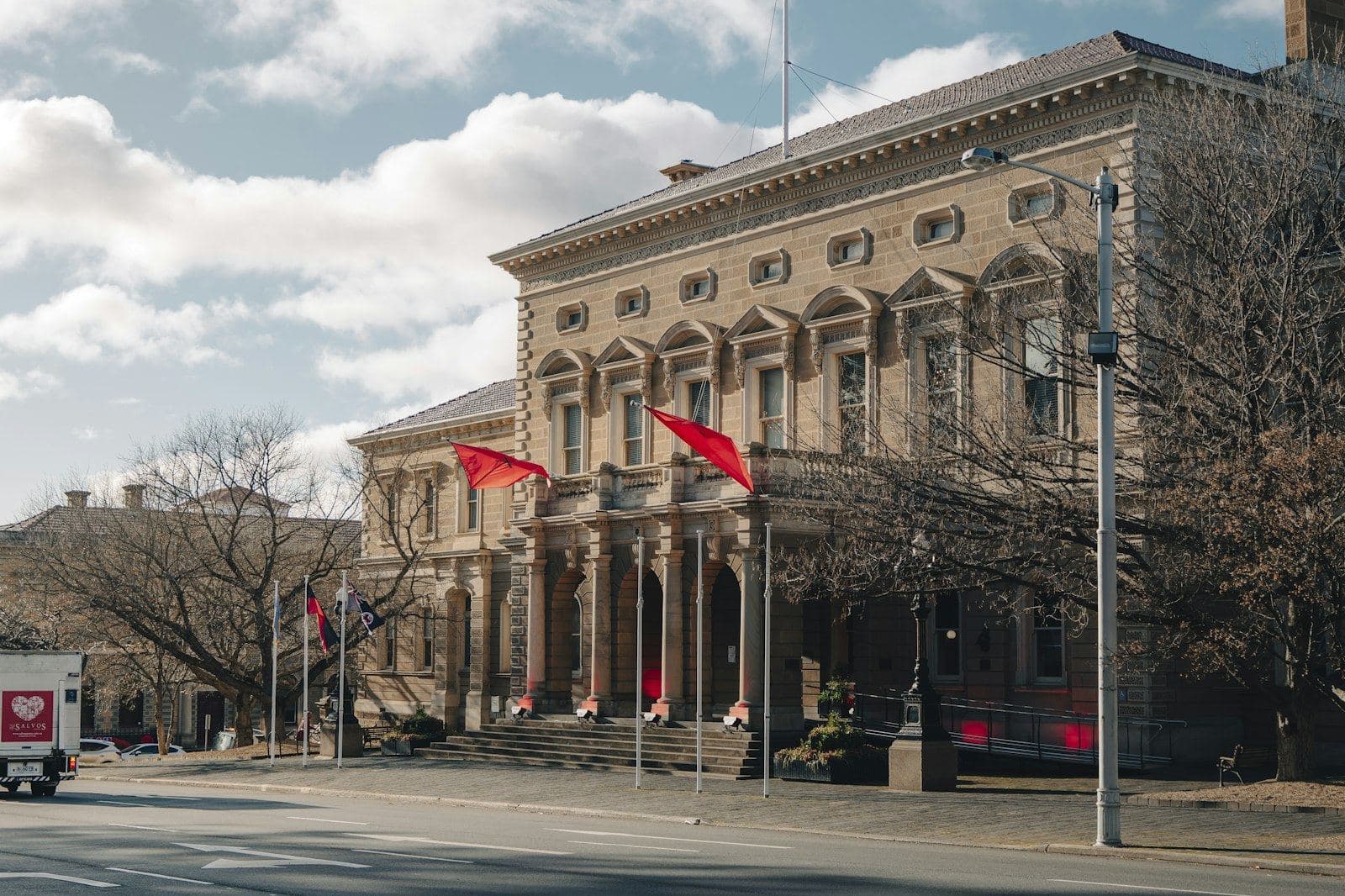 TAS
Tasmania
Tasmanian Budget Lets First Home Buyer Stamp Duty Exemption Lapse, Sets Grant at $20,000
Eric Abetz’s 2026–27 budget does not extend the stamp duty exemption that has saved first home buyers up to about $28,900. The First Home Owner Grant for new homes will be $20,000 from 1 July.
2 min read
 TAS
Tasmania
Hobart Rental Vacancies Tighten in REIT’s December Quarter Report
REIT’s review of late 2025 shows Hobart’s vacancy rate falling from 1.7 per cent to 1.4 per cent, with rental supply tightening across Tasmania’s three main regions.
1 min read
 TAS
Tasmania
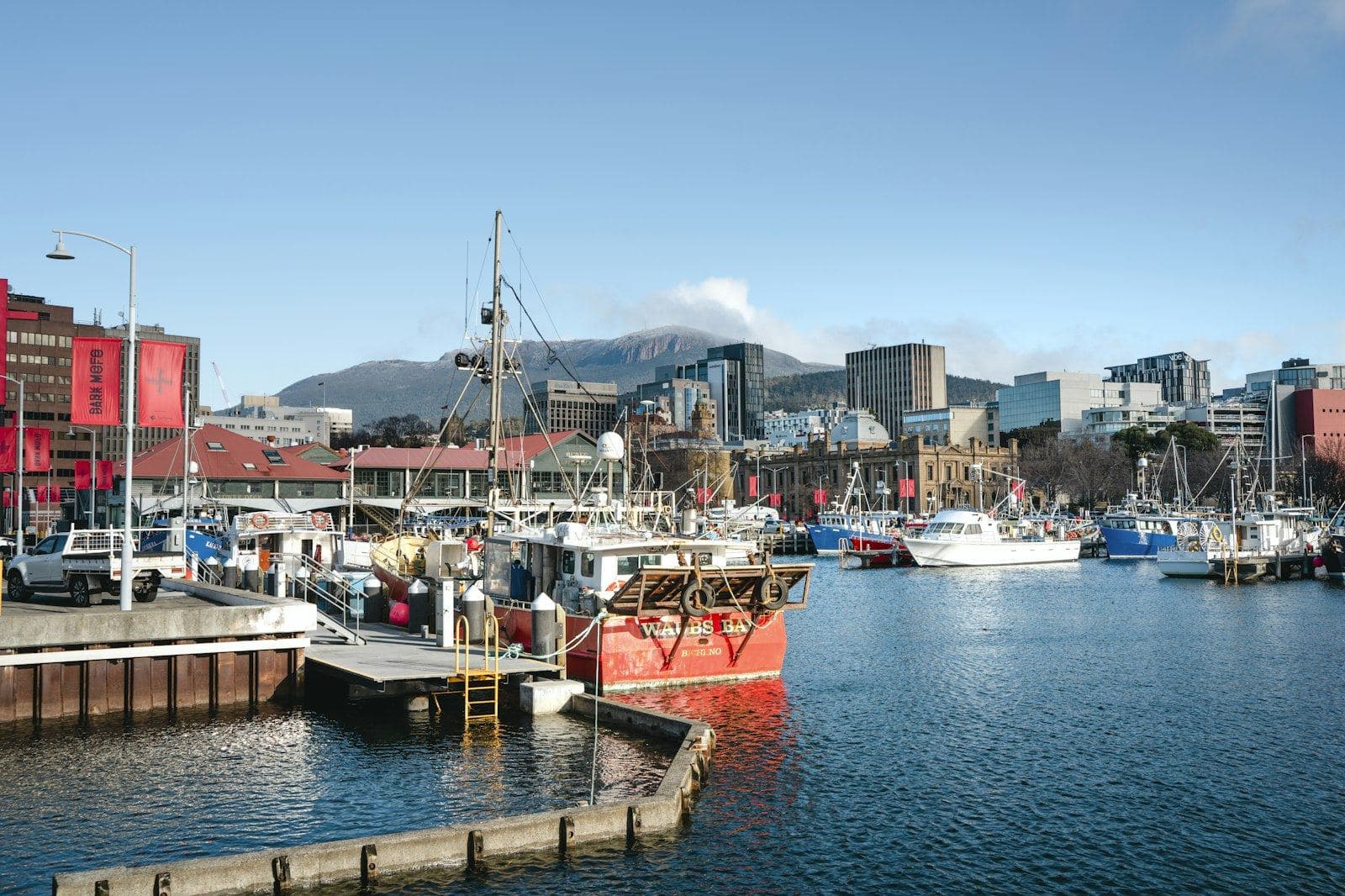
Macquarie Point Stadium Clears Parliament, Ending Years of Uncertainty Over Hobart’s Waterfront
After two late-night sittings, Tasmania’s upper house approved the $1.13 billion roofed stadium by nine votes to five. Agents expect the project to lift interest in Hobart property, but cost and population headwinds remain.
3 min read